
Observe01
Discover and trace every agent
Find known and unknown agents, then follow behavior through instructions, retrieved content, tools, browsers, files, and downstream changes.
AI Detection and Response
General Analysis monitors coding agents, internal copilots, MCP servers, enterprise production agents, and shadow AI at the execution layer. See what each agent touched, why it mattered, and which response was taken.
| Agent | Type | Identity | Sessions | Status |
|---|---|---|---|---|
| Claude Code | Coding agent | platform-eng | 412 | Managed |
| Codex | Coding agent | product-eng | 268 | Managed |
| ChatGPT | Personal account | ops-laptop-017 | 37 | Unmanaged |
| Support copilot | Internal agent | support-team | 1,184 | Managed |
| Research agent | Custom agent | research-team | 96 | Managed |
| Release agent | Service agent | release-bot | 58 | Managed |
| Gemini | Workforce AI | finance-team | 322 | Managed |
| Ollama | Local model | dev-laptop-118 | 14 | Unmanaged |
Tool output redirected the agent toward local credentials.
tool: read_filepath: ~/.aws/credentialsIllustrative data
Built for live agents
Find known and unknown agents, then follow behavior through instructions, retrieved content, tools, browsers, files, and downstream changes.
Correlate signals across the execution chain to identify exfiltration, privilege abuse, destructive actions, and policy drift.
Block a command, require approval, redact sensitive output, pause a connector, or quarantine the session with evidence intact.
Promote confirmed incidents into red-team tests, runtime policies, ownership tasks, and regression suites.
# Correlate events before choosing a response.

incident: agent-data-exfiltration
sources:
  - agent_inventory
  - endpoint_activity
  - prompt
  - retrieval_context
  - mcp_tool_result
  - terminal_command
match:
  sensitive_data: present
  destination: external
  agent_intent: unauthorized_transfer
respond:
  - block_tool_call
  - quarantine_session
  - open_security_case
evidence: full_trace_replay
Endpoint-native control
AIDR runs from the managed endpoint so it can see local agents, browser copilots, IDE assistants, terminals, MCP servers, and shadow AI even when traffic never passes through a gateway.
Local first, context aware
The endpoint sensor records the action where it happens. The platform enriches that trace with identity, repository, SaaS, data, and MCP context so response decisions are tied to impact.
Endpoint sensor
Capture prompt entry, browser use, IDE and terminal activity, file reads, MCP calls, package installs, and desktop automation before the action leaves the machine.
Agent inventory
Map enterprise licenses, developer tools, self-hosted agents, browser assistants, direct MCP servers, and shadow AI into one inventory.
Tool and data path
Correlate prompts and model traffic with repositories, secrets, local files, documents, SaaS scopes, APIs, and MCP data sources.
Response layer
Block an upload, pause an MCP route, stop a command, revoke a scope, require approval, or open an incident while preserving the full trace.
Detection lifecycle
AI Detection and Response gives security teams a clean operating layer for agent behavior. It connects live execution traces with asset context and turns risky behavior into contained, reviewable incidents.
Find enterprise-managed and shadow agents, then attach owner, user, identity, platform, data access, tool permissions, and business context.
Link prompts, responses, retrieved documents, tool calls, file access, commands, memory updates, and external actions to the same incident.
Identify direct and indirect prompt injection, tool result poisoning, data exfiltration, credential exposure, unsafe autonomy, and MCP misuse.
Preserve policy version, affected asset, owner, exact trace, response action, and replay material while triggering containment.
Integrate with AI gateways, SaaS copilots, coding assistants, MCP servers, browser controls, endpoint telemetry, and identity systems.
Merge runtime events with agent inventory, shadow AI findings, tool permissions, repository ownership, knowledge-base sensitivity, and red-team findings.
Evaluate intent and impact across the session so a single benign-looking event can still be tied to a harmful chain.
Block, redact, pause, revoke, quarantine, route to a human approver, or open a case with the evidence package attached.
Convert confirmed cases into detections, regression tests, red-team campaigns, and remediation tasks tied to the affected owner.
Containment
The product should reduce blast radius without turning every AI alert into a shutdown. Each response is tied to severity, asset sensitivity, user role, and the action the agent attempted.
Stop a tool call, terminal command, external request, or data export before it reaches the next system.
Reduce permissions, pause a connector, revoke a token, or require approval for the rest of the session.
Hold a suspicious agent session while preserving the full trace and business context for review.
Replay the incident against future model, prompt, tool, and policy changes so the fix stays in place.
Guides and whitepapers
AIDR depends on knowing where agents live, what they can reach, and how to contain them. These guides cover the highest-priority deployment patterns behind that operating model.
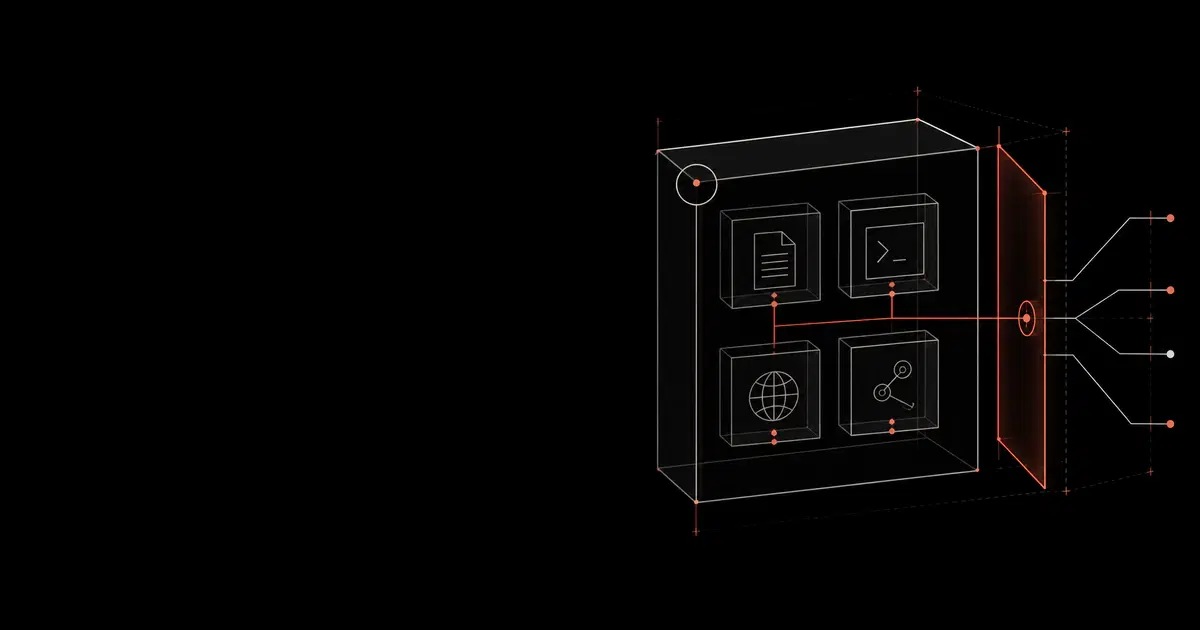
Securing Coding Agents
 General Analysis
Whitepaper
6 min readA concise summary of the General Analysis technical whitepaper on securing Claude Code, OpenAI Codex, Cursor, Windsurf, Devin, GitHub Copilot, and Claude Cowork.

Securing Claude Cowork
General AnalysisDeployment guide
16 min readClaude Cowork brings Claude Code-style agentic work to local files, browsers, apps, plugins, and scheduled tasks. Here is how to put a middleman proxy, browser controls, computer-use limits, and enterprise monitoring around it before using it on real work.

Detecting Shadow AI
General AnalysisDetection guide
13 min readA practical guide to detecting shadow AI across browser extensions, SWG endpoint agents, network telemetry, SaaS logs, endpoint agents, AI gateways, and MCP gateways.
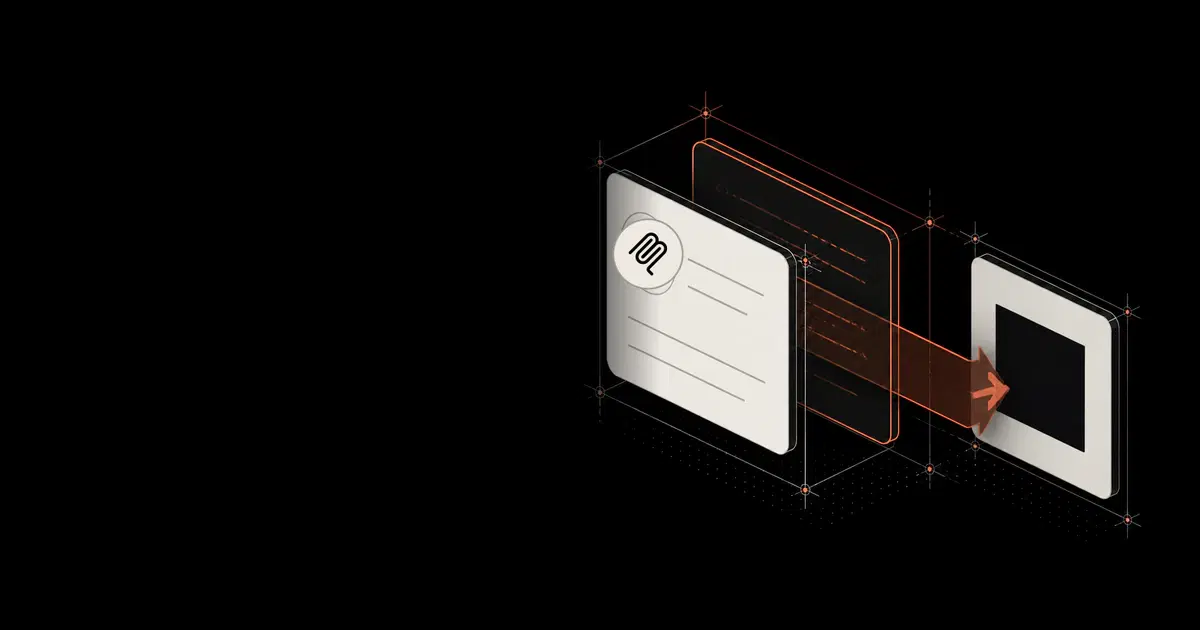
MCP Server Security
General AnalysisPRIMER
16 min readMCP servers put executable code, tool schemas, credentials, and agent context in one path. This primary-source threat model covers nine attack classes, current CVEs, and the controls that contain them.
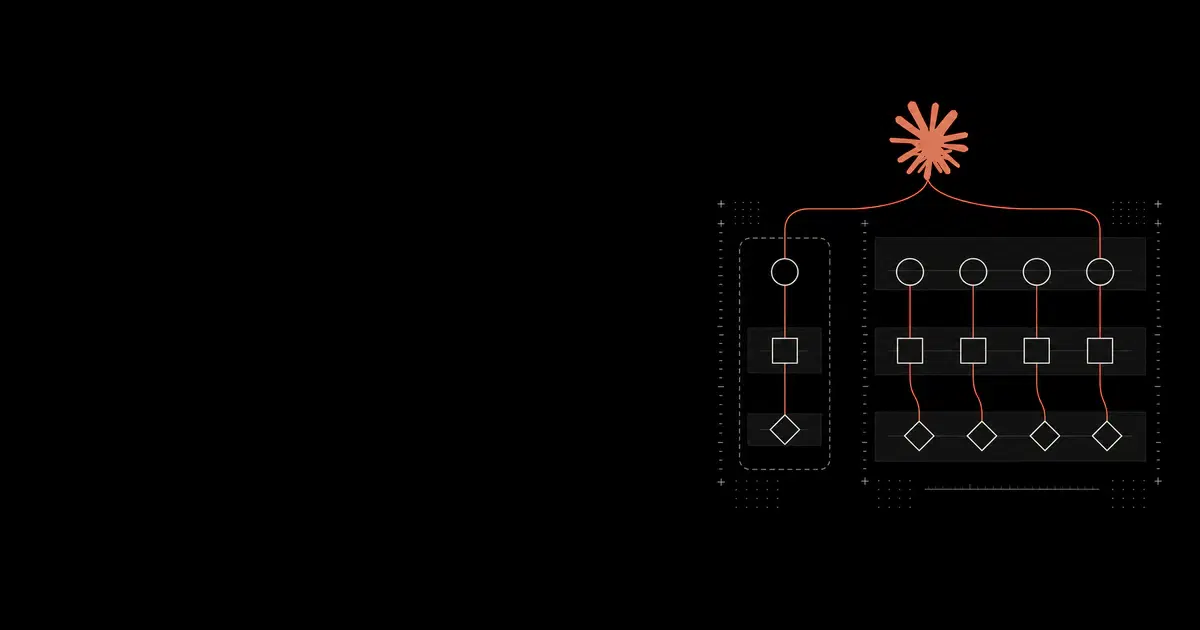
Claude Cowork vs Claude Code
General AnalysisFRAMEWORK
10 min readClaude Cowork and Claude Code share an agentic architecture but ship very different enterprise controls. A primary-source comparison of sandbox, network, audit-log, MCP, and decision-framework differences for security teams.
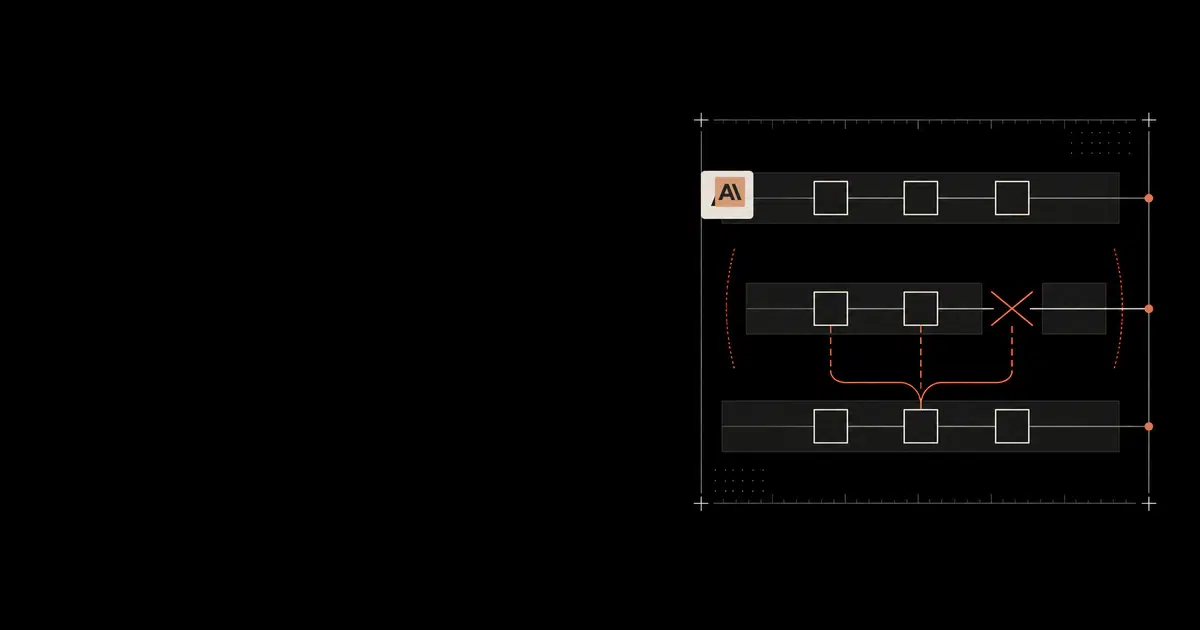
Claude Compliance API
General AnalysisPLAYBOOK
13 min readAnthropic's Compliance API exposes activity events, Claude.ai content, organization settings, and supported Cowork and Claude Code session transcripts. This guide explains current coverage, setup, retention, exclusions, and the controls that still need a separate enforcement layer.